The two museums I visited in Vienna don’t really lend themselves to pictures and text.
The Mozart Haus even forbids photography. It is in a three-story building of flats. Mozart and his family lived in one of these flats while he wrote Le Nozze de Figaro. The top flat provides insight into life in Vienna at the time Mozart lived there, the middle one focuses on the opera and the first floor flat has been arranged to give an impression of how the family may have lived. The exhibit I found most striking was a set of screens, each silently displaying the same scene of different productions of The Marriage of Figaro. The recording of a different production is also playing. It shows the profound impact that producer and their setting can have on how the opera is experienced by an audience.
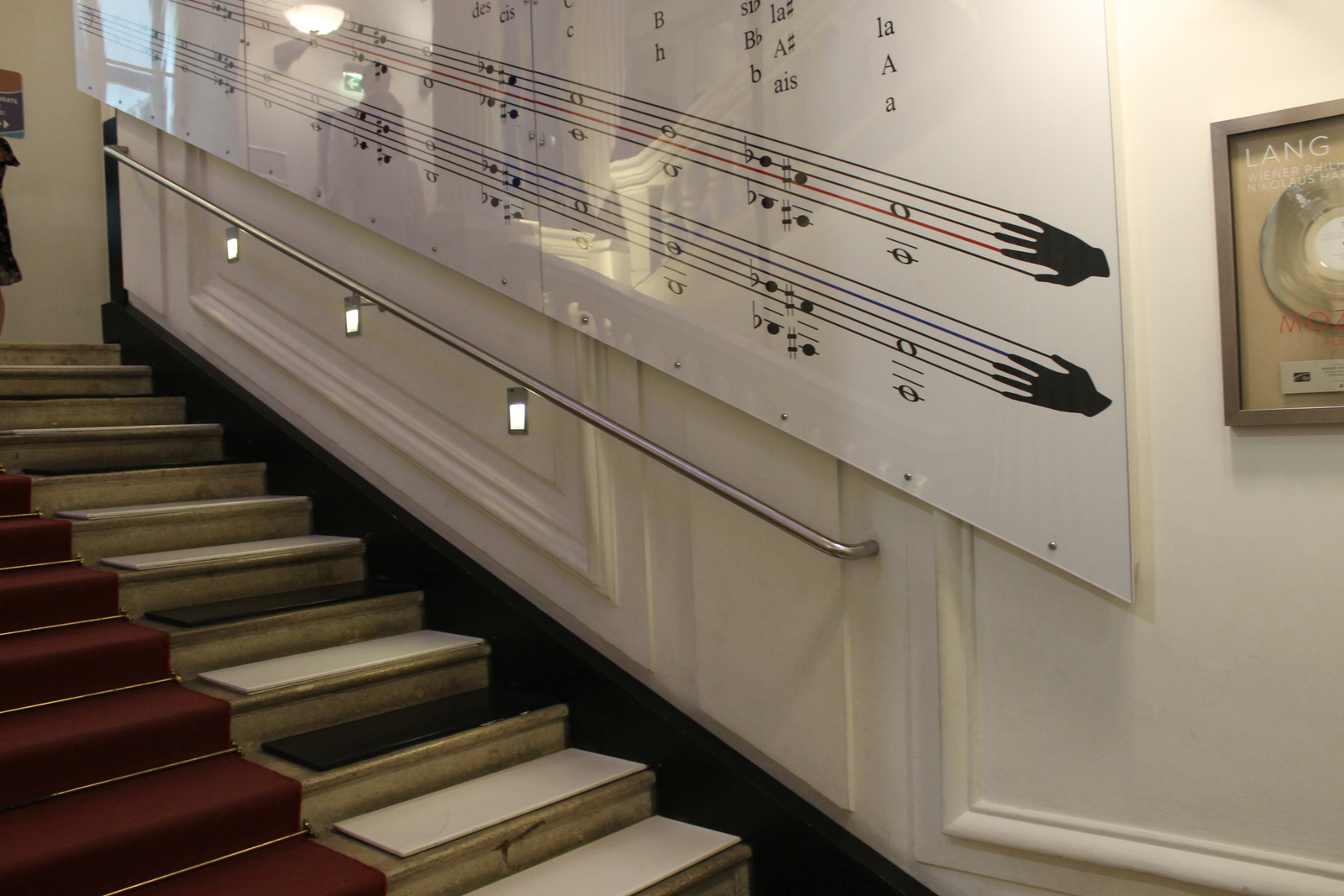
The Haus der Musik is far more interactive. Starting with the musical staircase.

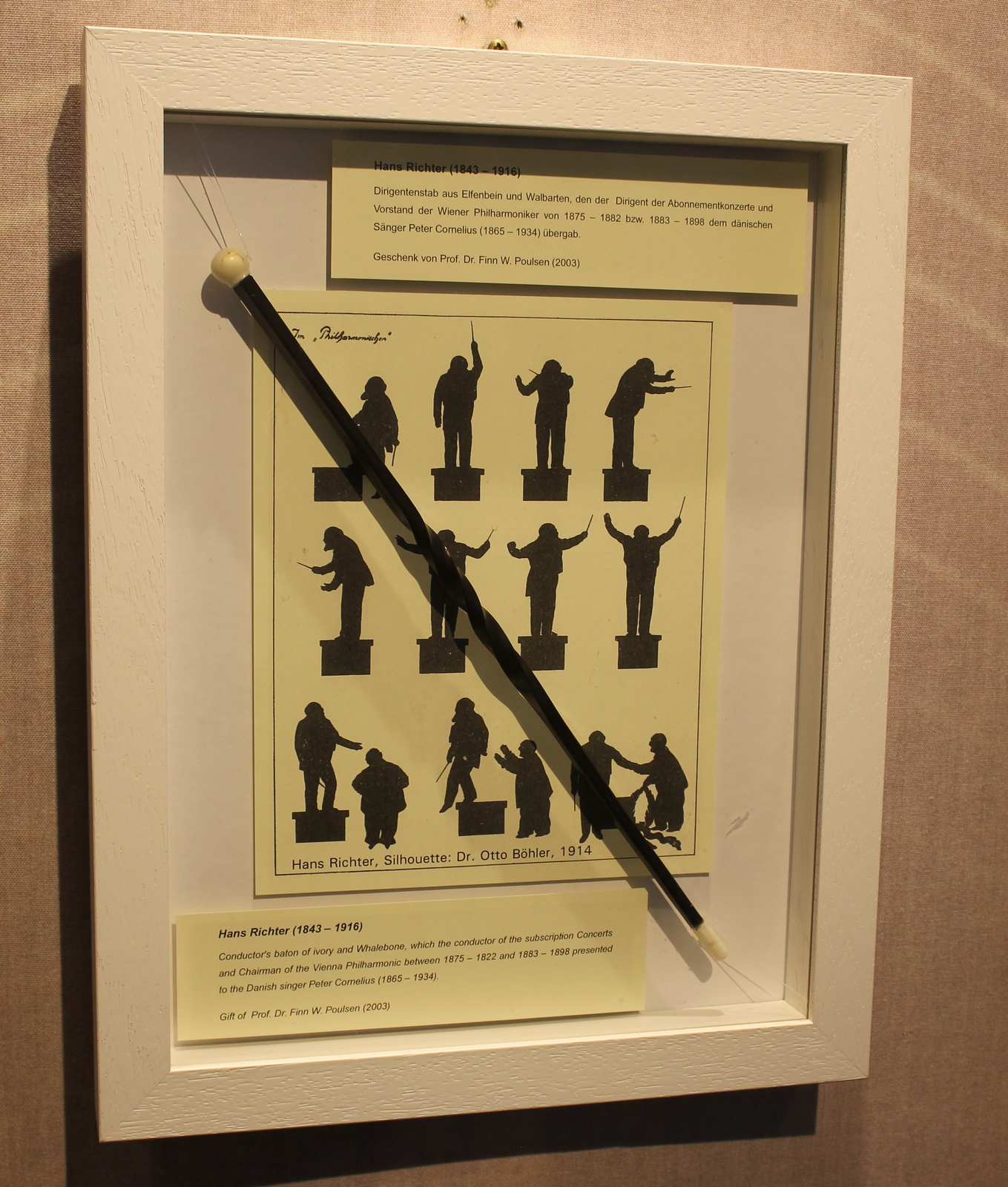
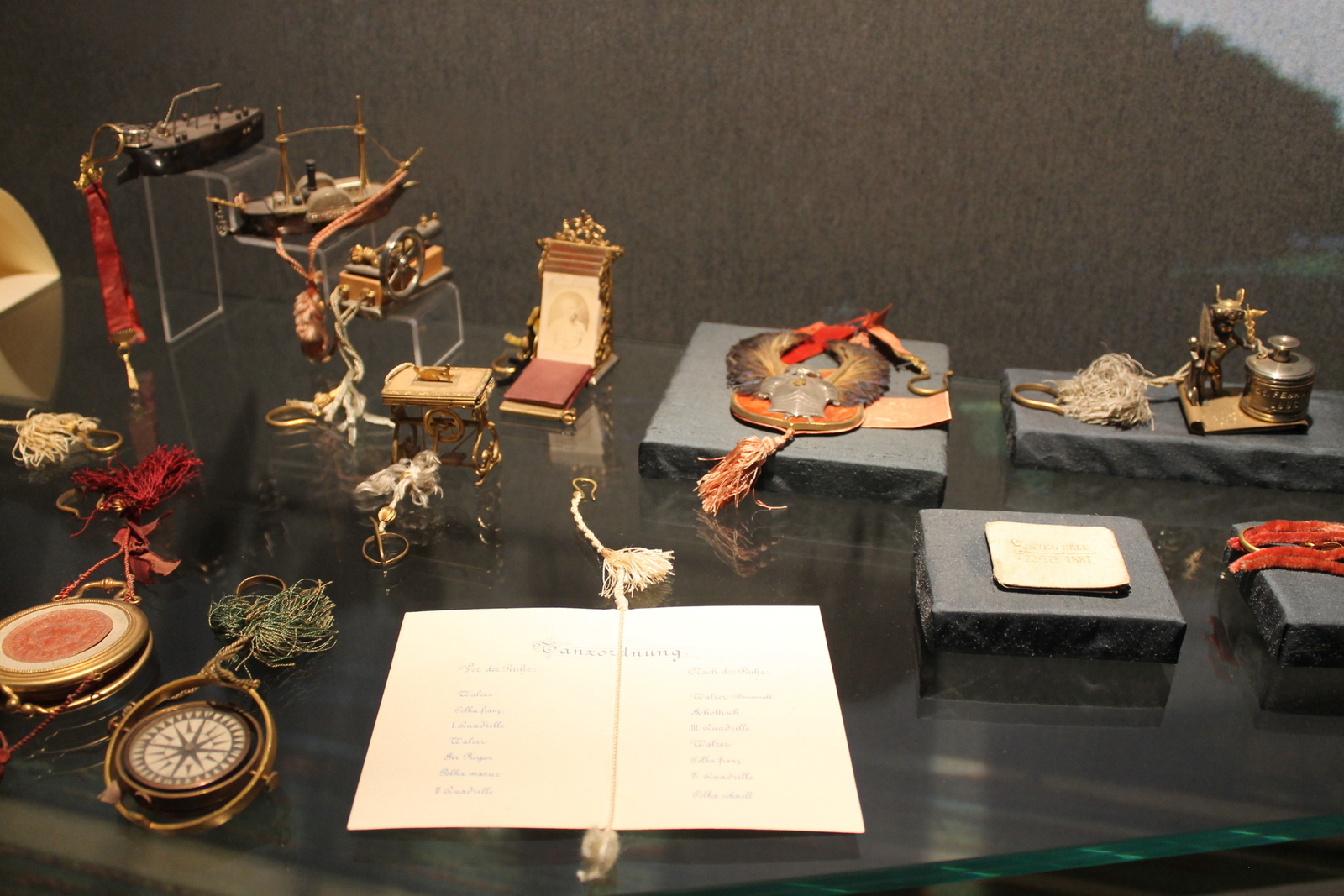
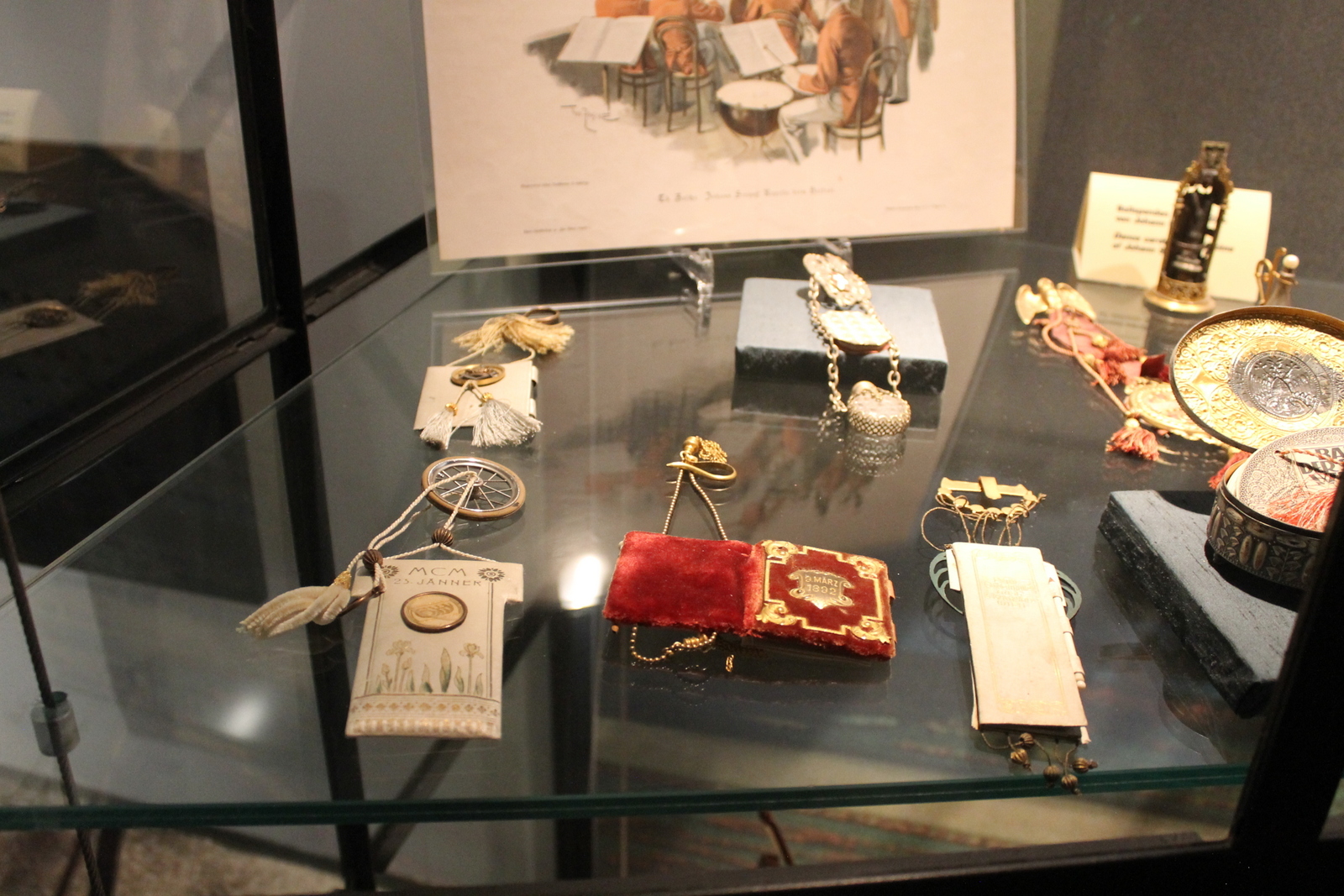
Having been the home of Otto Nicolai, the founder of the Vienna Philharmonic Orchestra, the house now has a collection of philharmonic and Vienna Ball souvenirs.



The interactive part of this room was very dear to me. Wolfgang Amadeus Mozart wrote a waltz dice game. Each throw of a die represents four bars of music. Regardless of the order in which the dice are thrown, a well-sounding piece of music is created. I first learned about this when I coped BASIC programme for this game into my Commodore 128 from a magazine. I can’t remember whether I ever fully finished copying the code, but the idea and concept always fascinated me. Here, I could throw the dice and create my personal waltz!


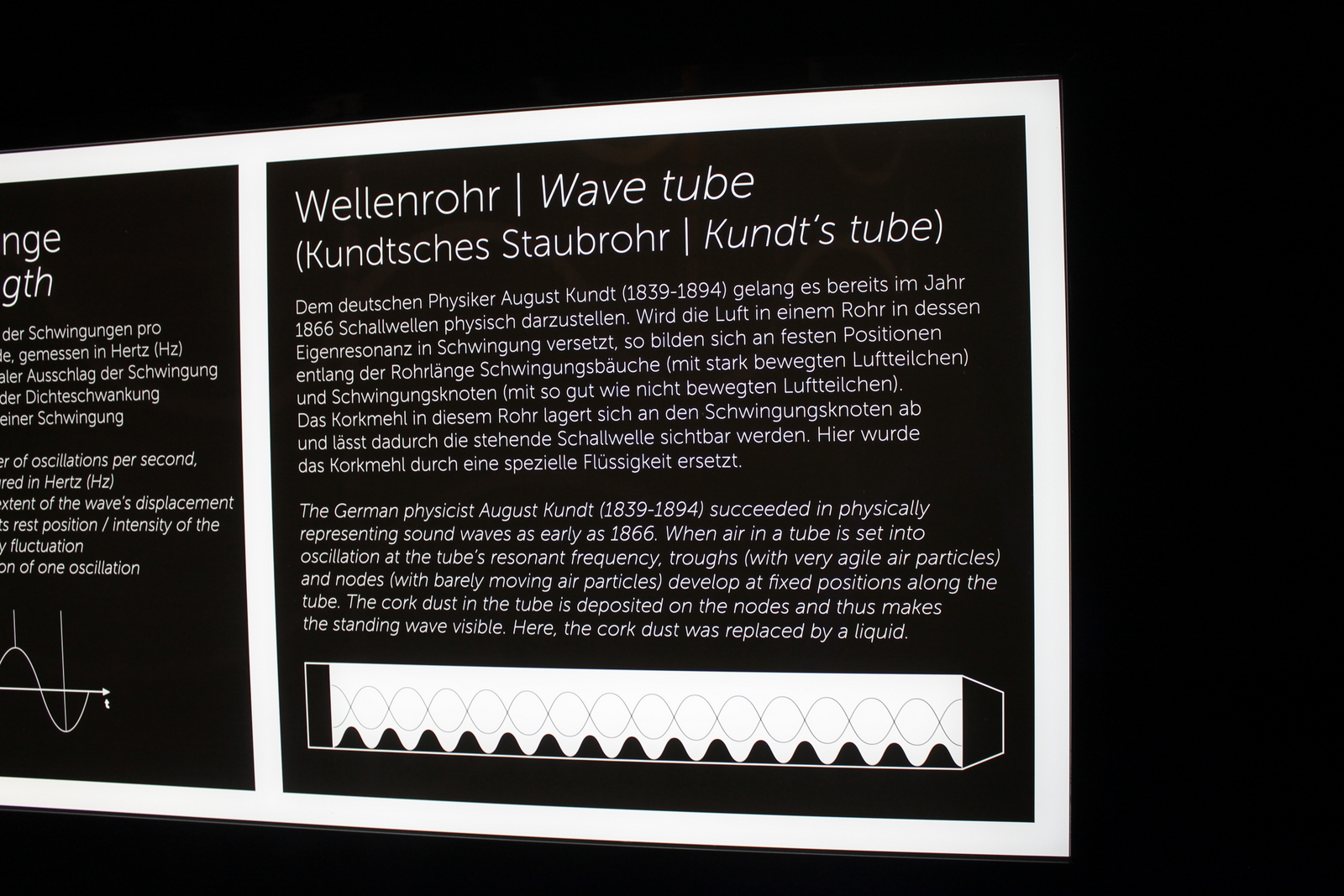
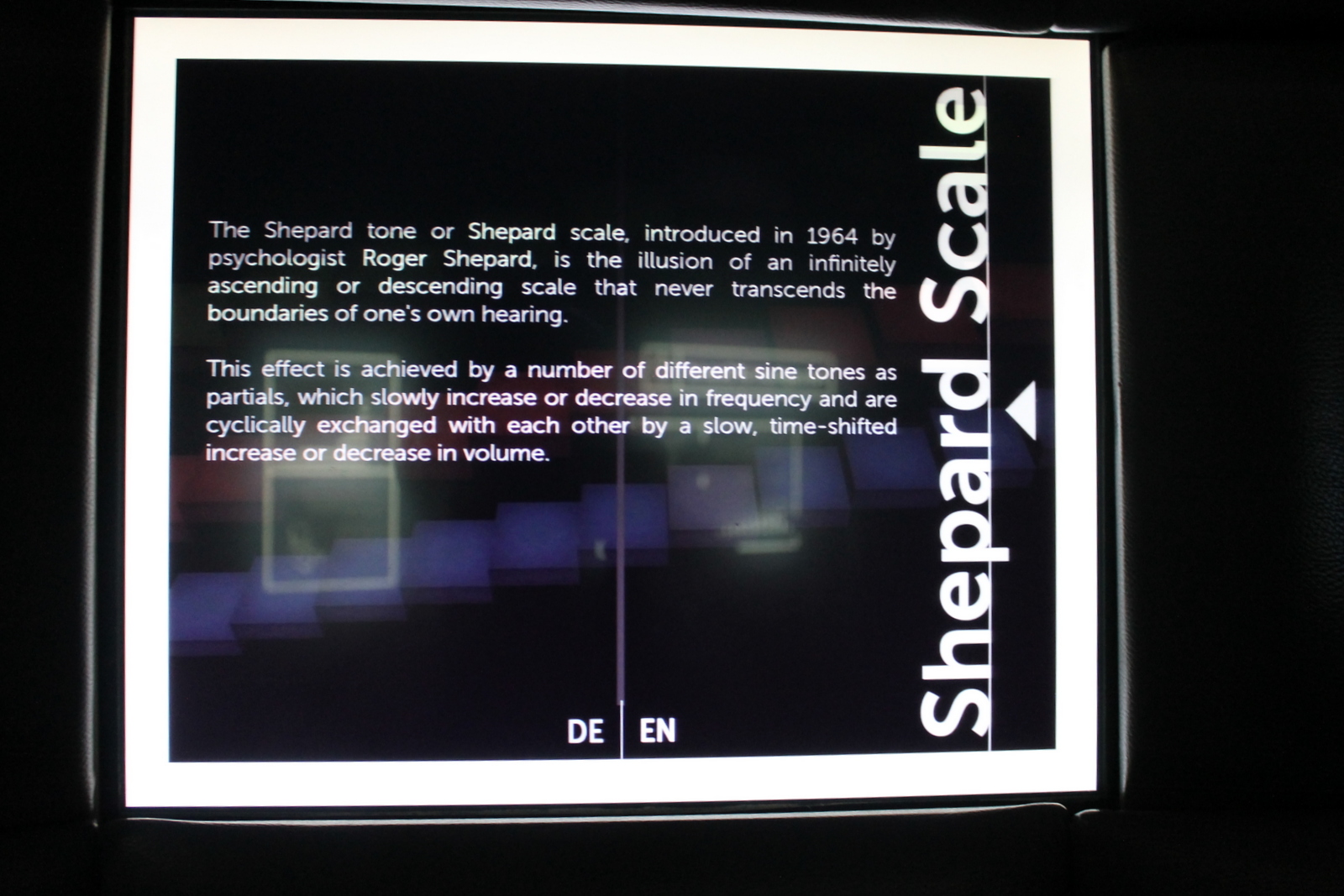
The next floor has a scientific section all about sound. A Kundt’s tube made the sound waves visible in a water tube while hearing it from a speaker. The functioning of the ear is explained as well as some psychological musical gimmicks such as the Shepard scale, often used in film music.


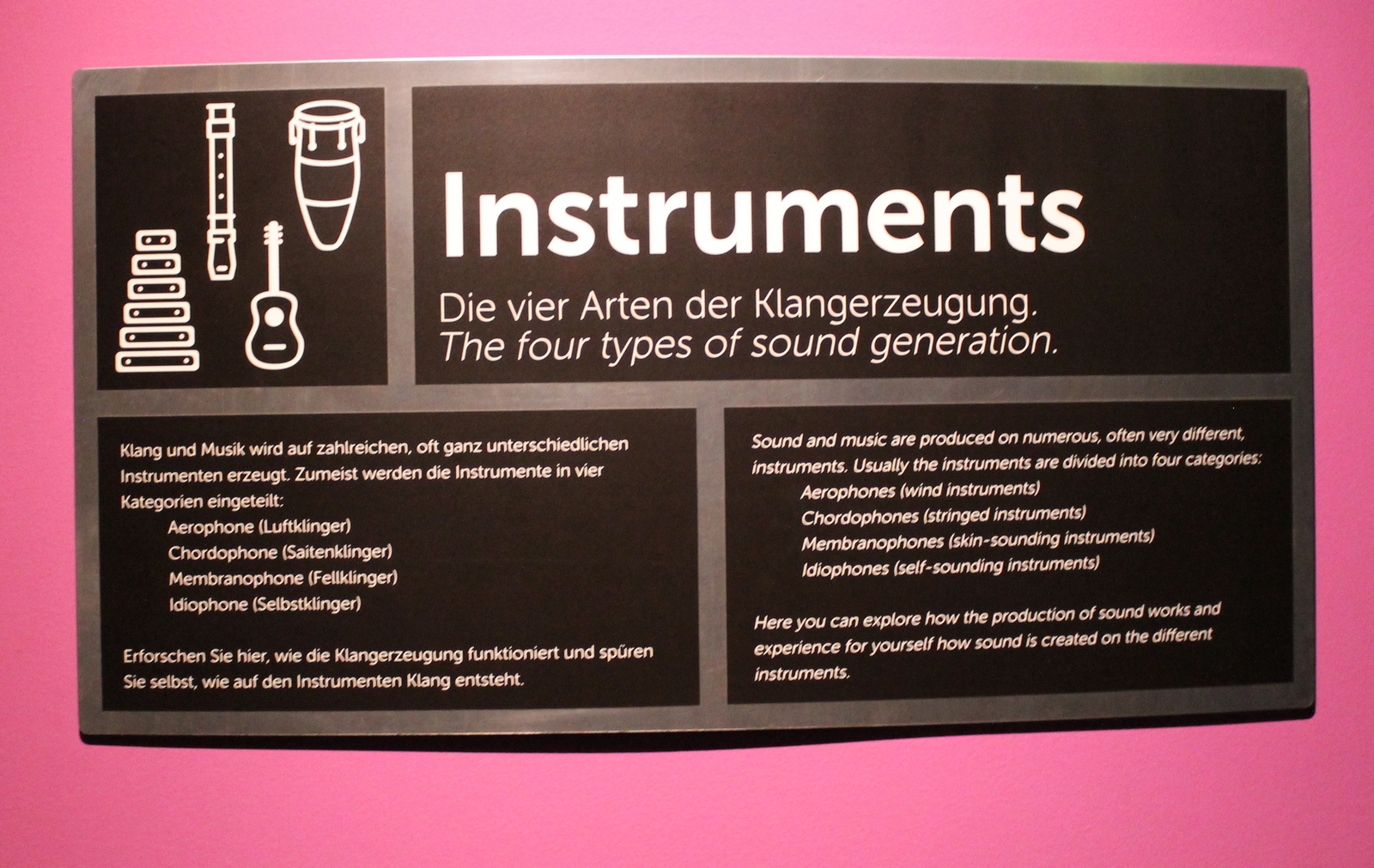
Having learned about sound, the different types of instruments are introduced. This is also interactive and sounds can be created on example instruments, like a giant drum.

The floor devoted to important composers provides insights into their lives, and technological developments during their time. The metronome was invented in Beethoven’s lifetime, he was a big fan apparently! The small violins were used by dance instructors to play enough music to guide their students without having to fill the room while a ball was taking place.


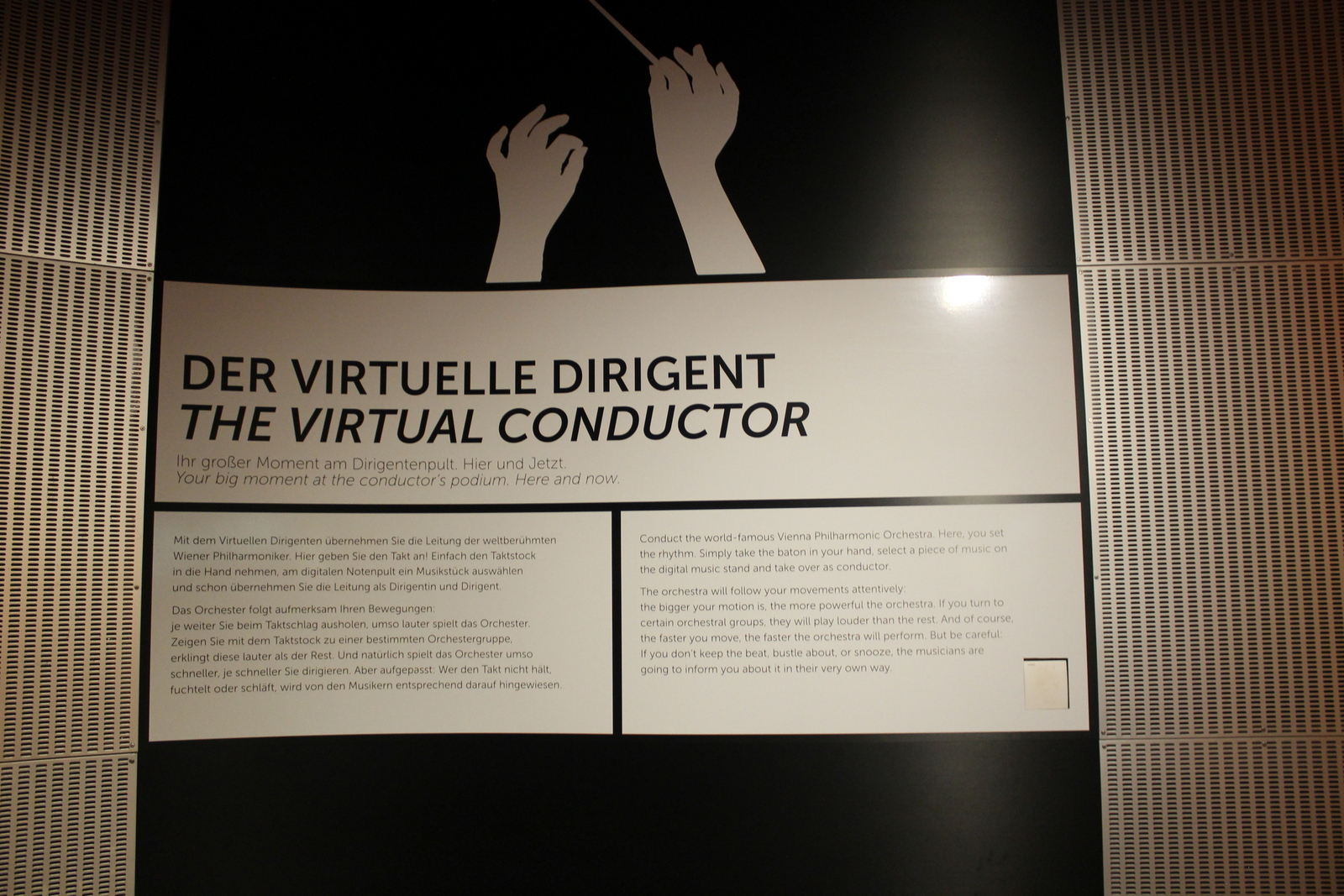
I decided not to wait my turn behind the many children to have a go at being a virtual conductor. Watching them I realised the work that went into putting this together. The orchestra on screen really does play at the speed the guest conducts. The combination of camera and replay technology was impressive.
The last room in the house is devoted to resetting your ears with soft white noise, before heading back out into the bustle of Vienna.


 travel tales