During the late 19th century gambling was against the law in prosperous Hong Kong. Macau became an attractive destination for gamblers. Boarding a ferry to cross the Zhujiang estuary for a bit of fun was easy enough.
Gambling continued in Macau in the early to mid-20th century, albeit unlicensed and unregulated. In 1960, the Portuguese governor decided he would like gambling to be a bit more organised and offered a monopoly licence for sale. A consortium of investors led by Stanley Ho gained that licence. They outbid long-time casino barons, the Fok family by a small margin.
Stanley Ho’s first luxury casino remains in the middle of the old town of Macau, across the street from the low-rise Portuguese buildings the government bought to preserve them. The Estoril Hotel is now an urban ruin. I passed it on a bus in the pouring rain so I have no pictures. I saw it is overgrown with trees growing up through windows and damaged ceilings. It was closed for being too close to a school and children should not be exposed to gambling. It appears that leaving it to crumble is easier than demolishing it and replacing it with something which is not a casino!
Before the Estoril was closed, Stanley Ho opened the Lisboa casino, which still is still open for business.
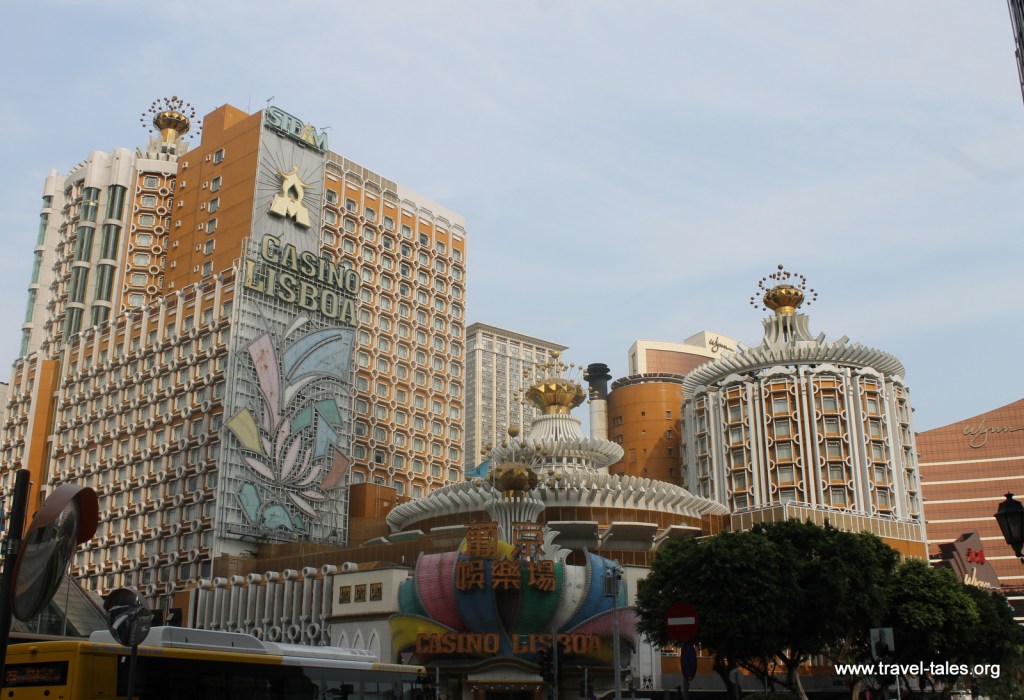
The success of his venture was such that he built another casino, directly opposite, the Grand Lisboa.
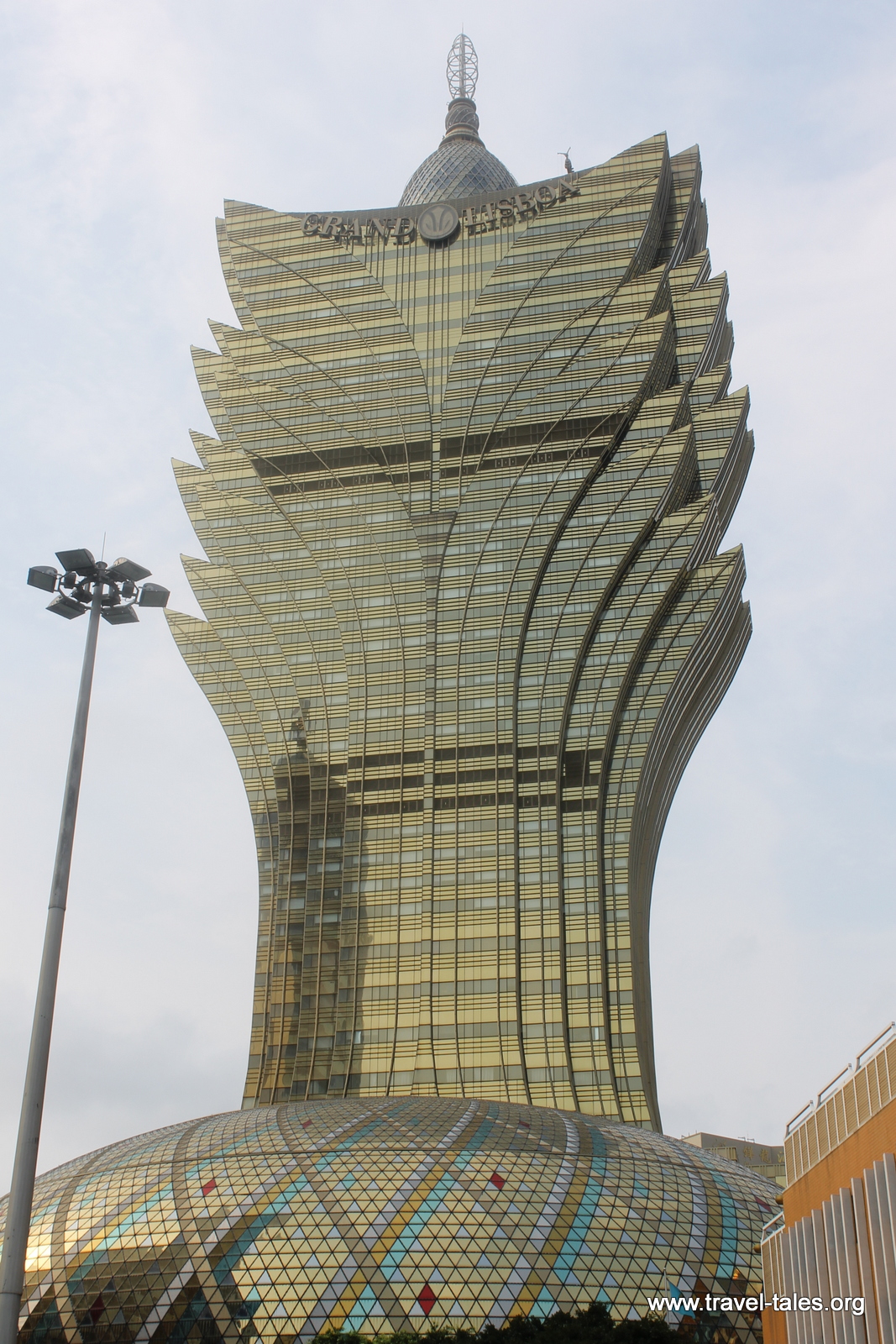
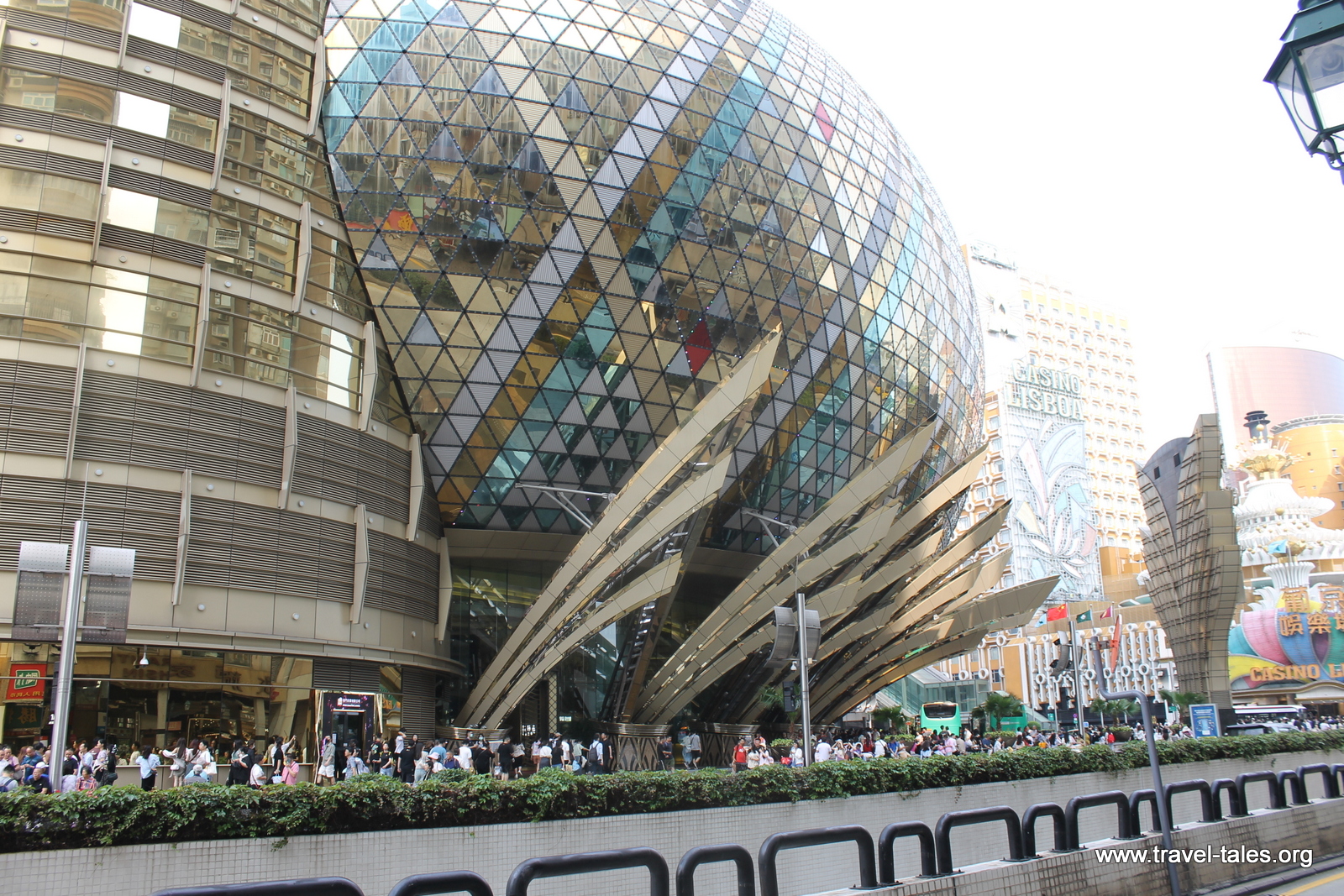

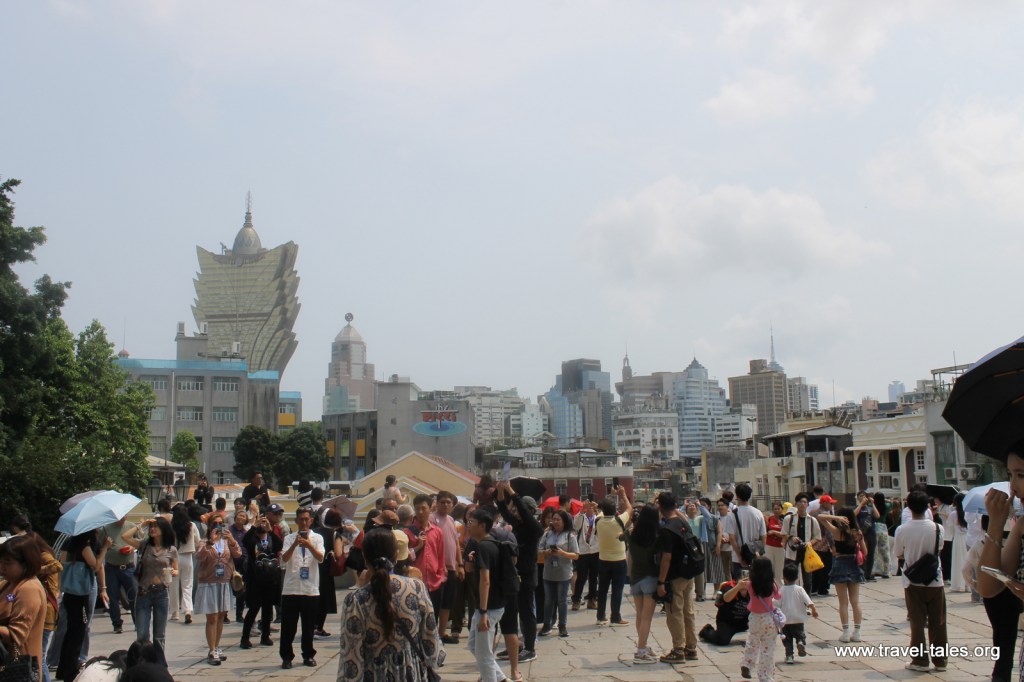
Its lotus flower shape dominates the skyline in Macau since its completion in 2007. This is a view from the ruins of St. Paolo.
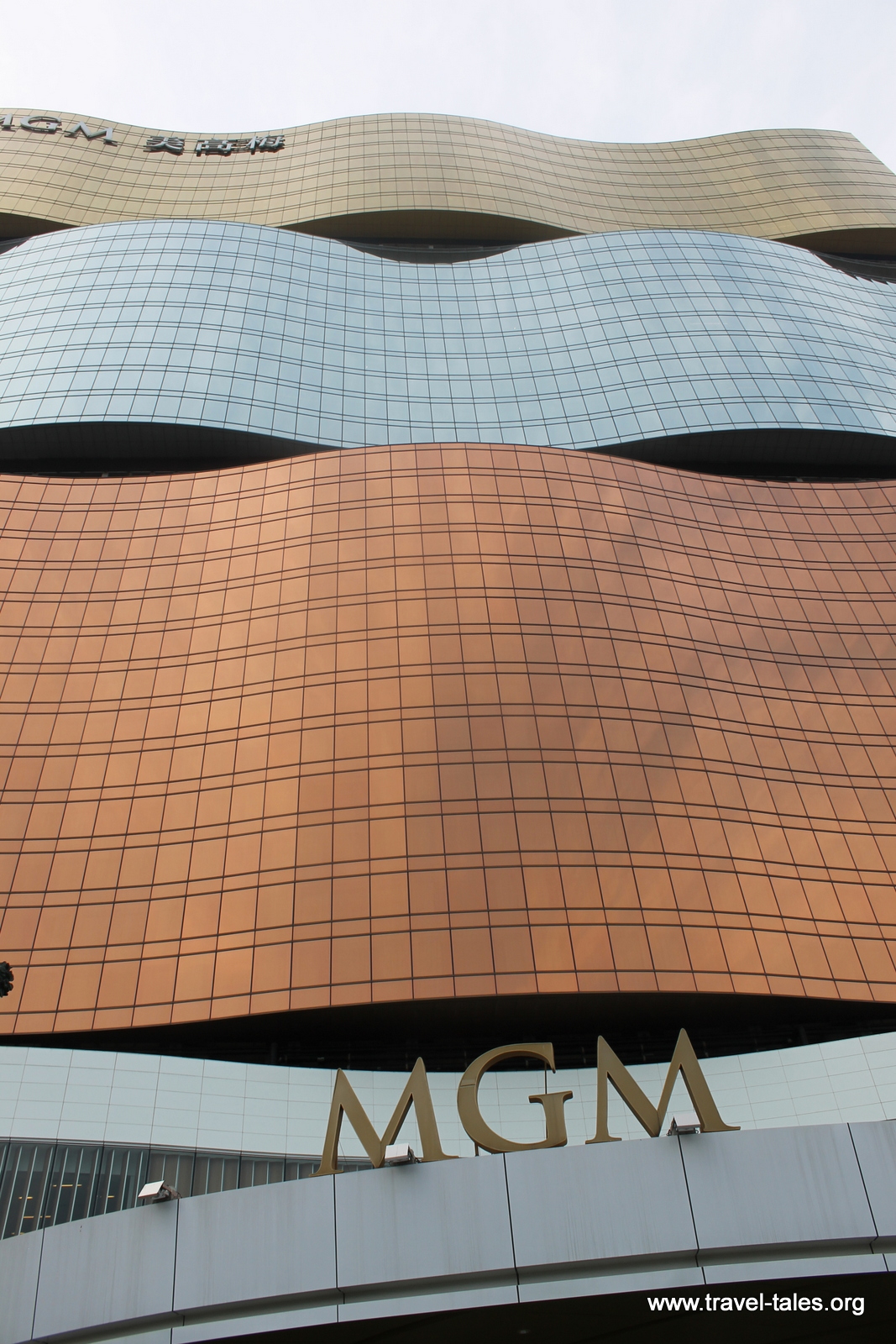
Gambling remains a major source of employment, income and visitors to Macau. Since its return to China in 1999, the Macau government invited casino groups from Las Vegas to invest in Macau. The Ho family remains heavily involved, Stanley Ho’s daughter Pansy Ho owns the MGM Casino.


 travel tales