Having first arrived in Macau in the early 1500s, Portuguese traders used its natural harbour as a convenient place to trade with China. It was an important part of a triangular trade between Europe, India and China: Lisbon, Goa and Macau as well as Japan.
Much of modern Macau is characterised by high-rise buildings. The city Executive decided to purchase many of the low-rise buildings in the centre of Macau to preserve the Portuguese architecture there.

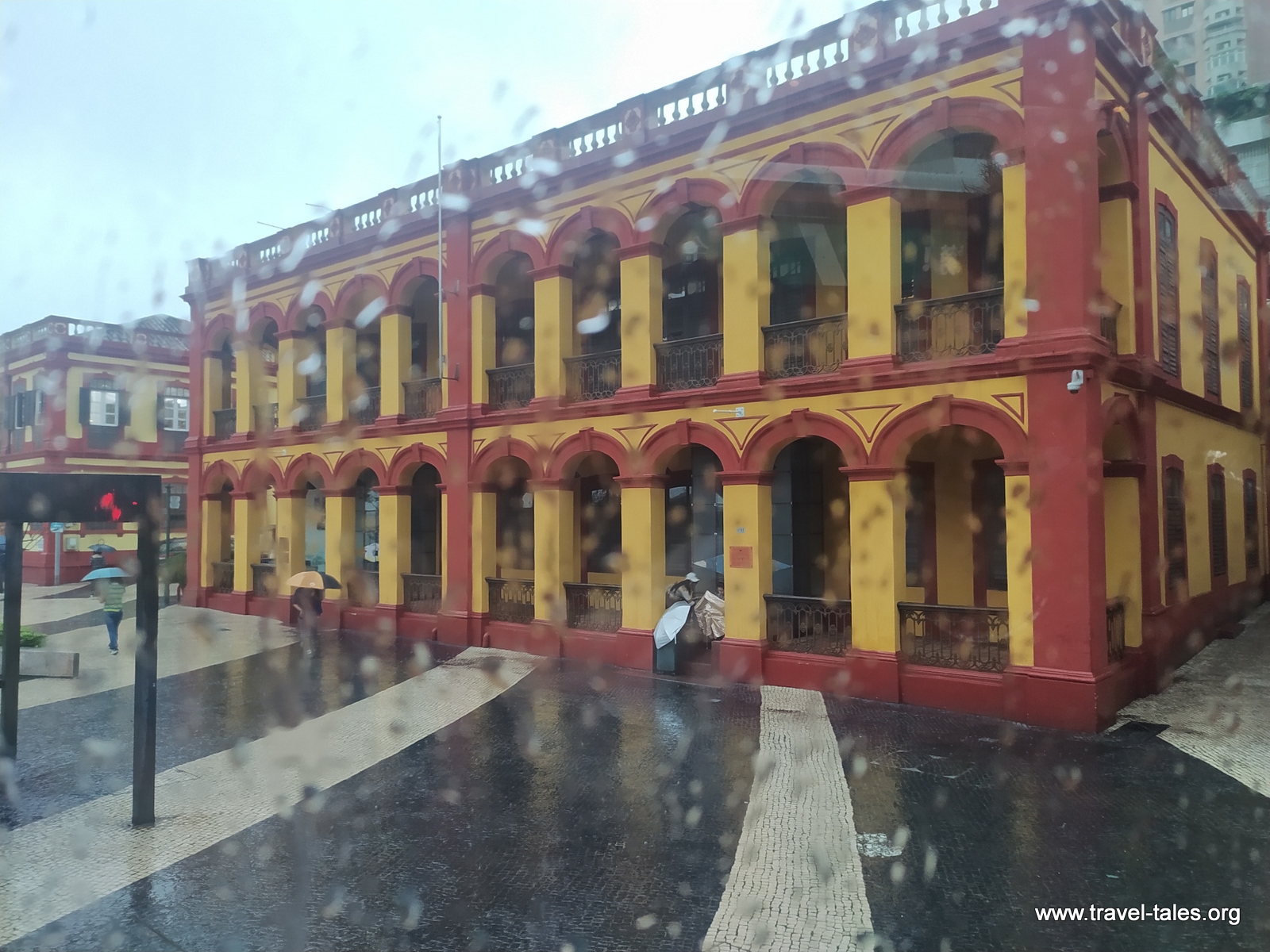


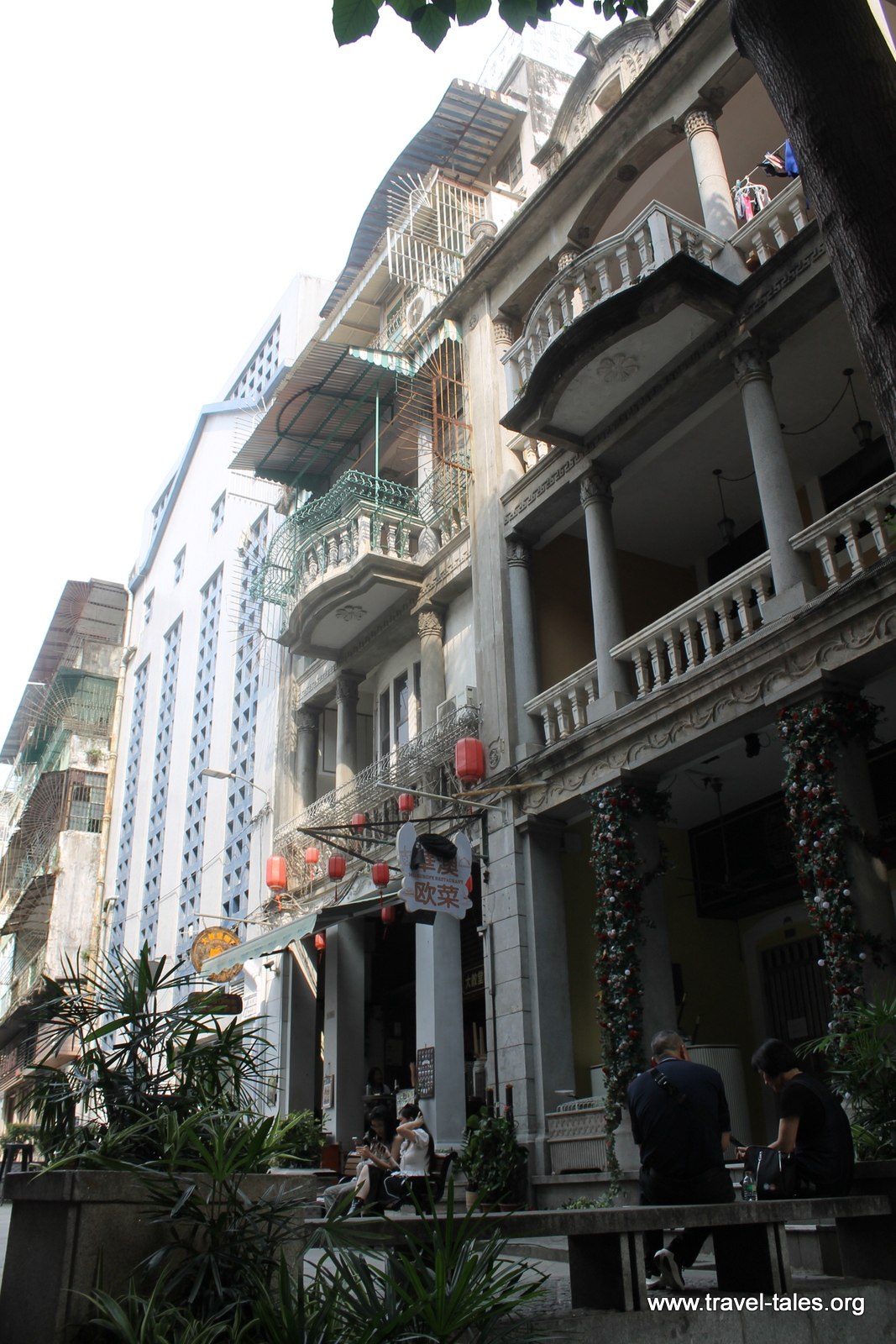
Not all the properties in this district were designed by the Portuguese, but the restriction on high-rise buildings meant small living spaces above shops.


The Serenado Square is a popular tourist attraction surrounded by buildings left behind by the colonists.

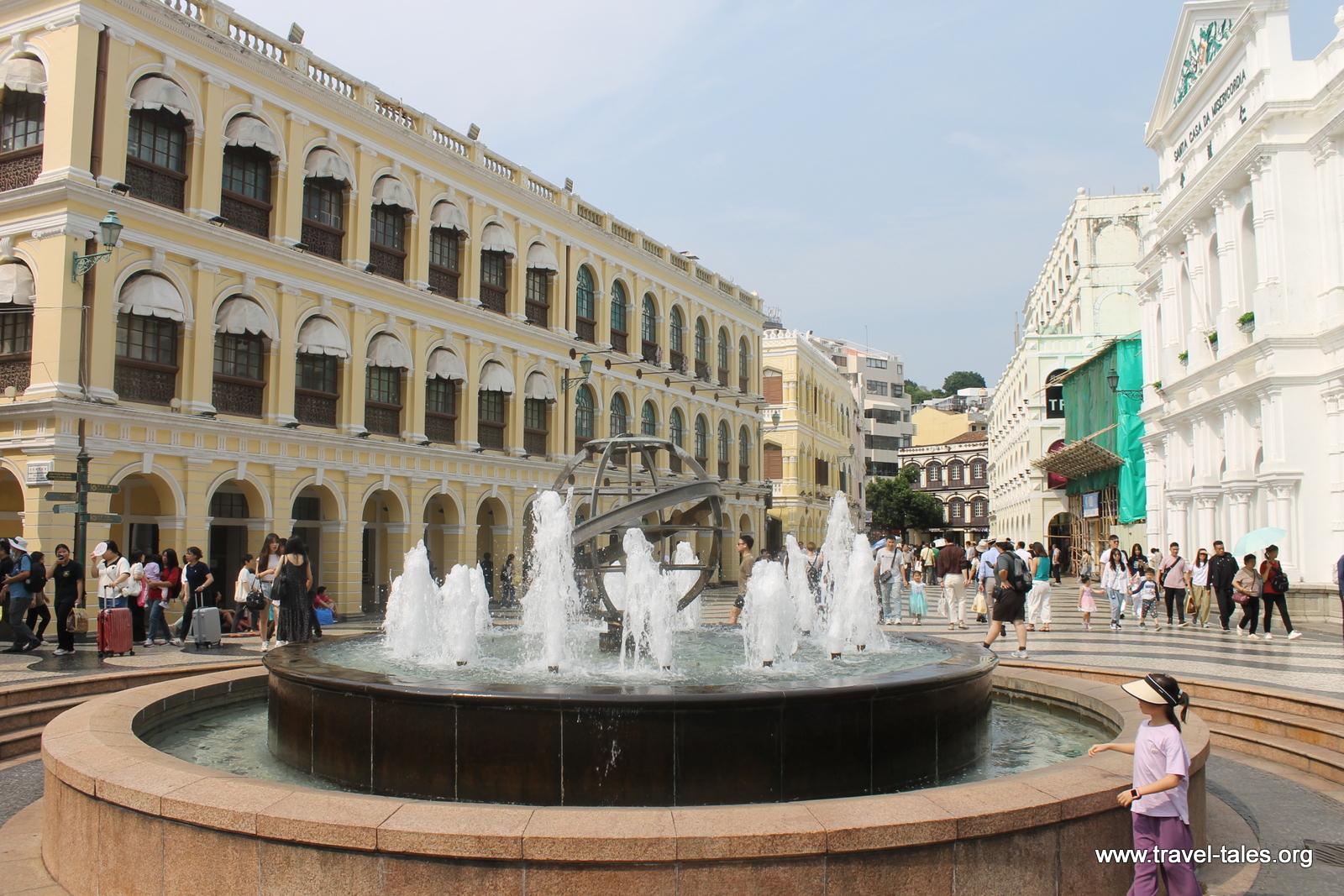
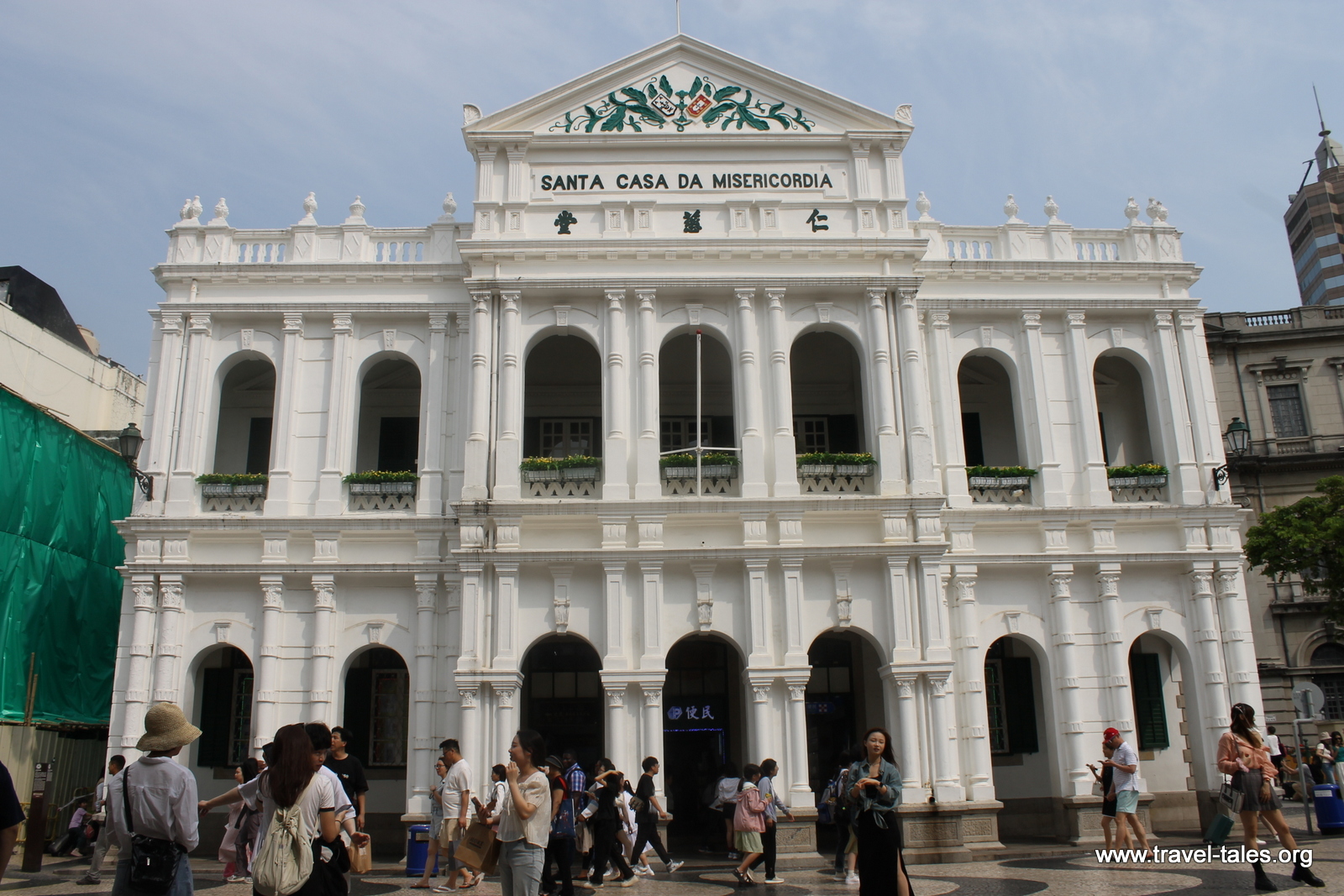
The fortunes of Macau tumbled again after falling trade with Japan and rivalry with the British and Dutch. There remains a Victory Park celebrating the defence of Macau following a Dutch invasion in 1622.
In 1844 the then governor of Macau, Captain Isidoro Francisco Guimarães, introduced licensed gambling. This cleaned up unlicensed gambling dens and provided a good source of tax income. This time, the British attitude was helpful. Queen Victoria was not going to permit betting in her colony. So many people from China and Hong Kong travelled to Macau to place their bets.
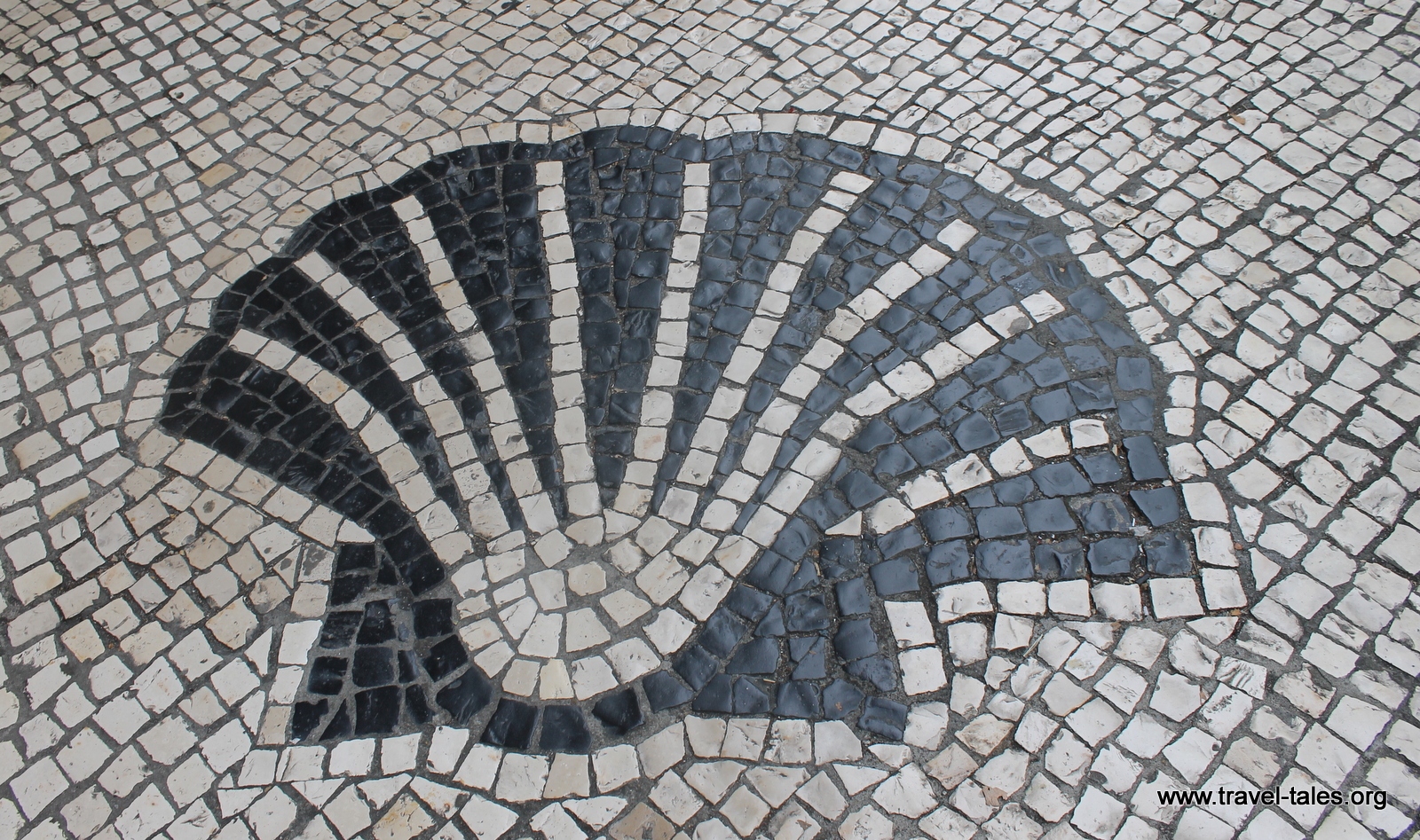
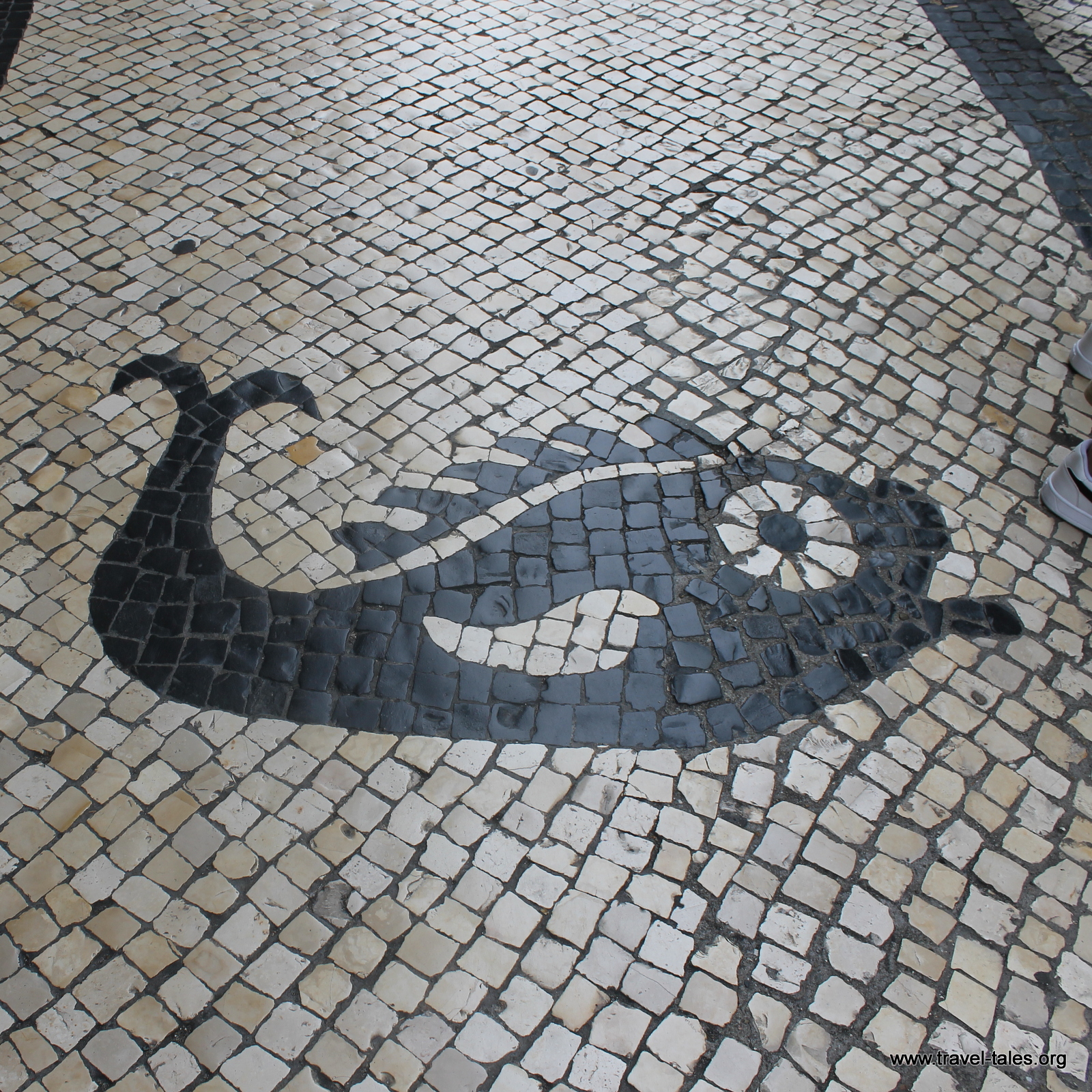
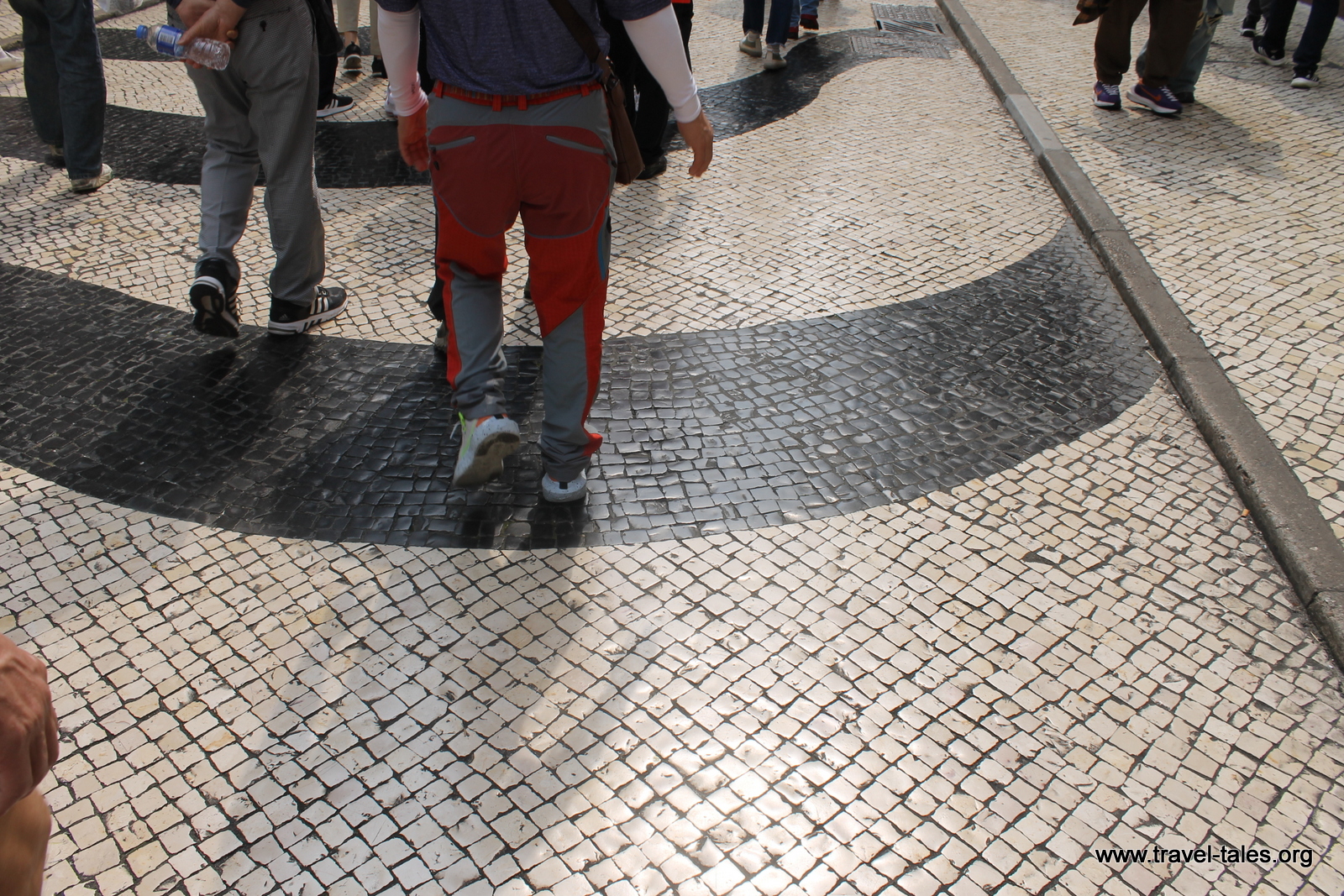
The most enduring Portuguese influence remains the paving of many pedestrian areas. To my surprise, even in a downpour, these stones did not get slippery. Whether they are imported from Portugal or locally sourced, they reminded me of the Algarve.



 travel tales
wow that looks so beautiful