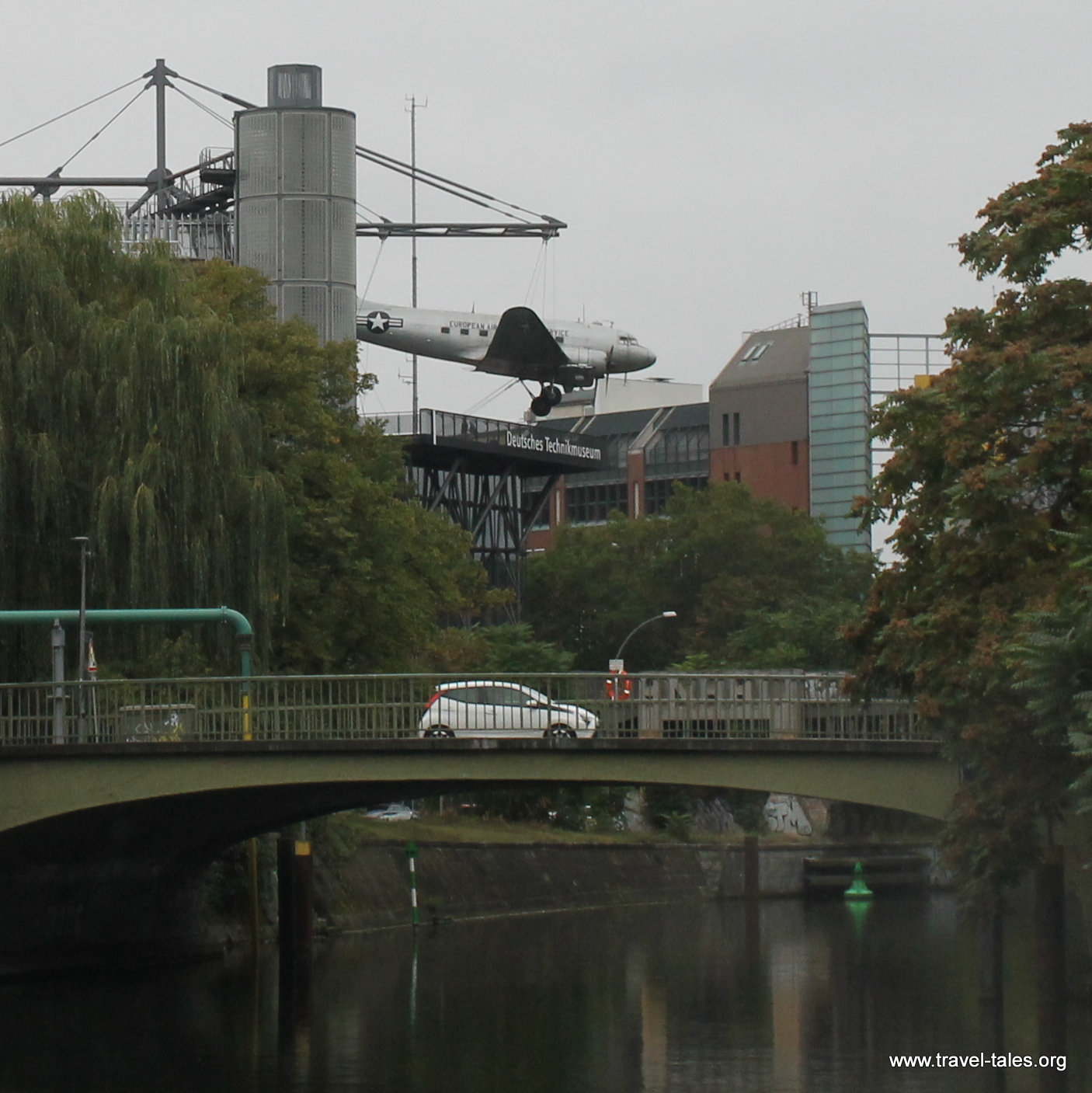
One of the more spectacular objects that can be seen while travelling on the Landwehrkanal is the Douglas C47 (military version of a DC3) mounted outside the Technik Museum. Together with the single blade of a wind turbine, it gives a taste of the exhibits housed on what had been the station for trains to Anhalt, the Anhalter Bahnhof. The aircraft is one of the many “Rosinenbomber” (raisin bombers) which made up the Berlin Airlift in 1948/49. During the Soviet siege of the city, they dropped aid packages into West Berlin.


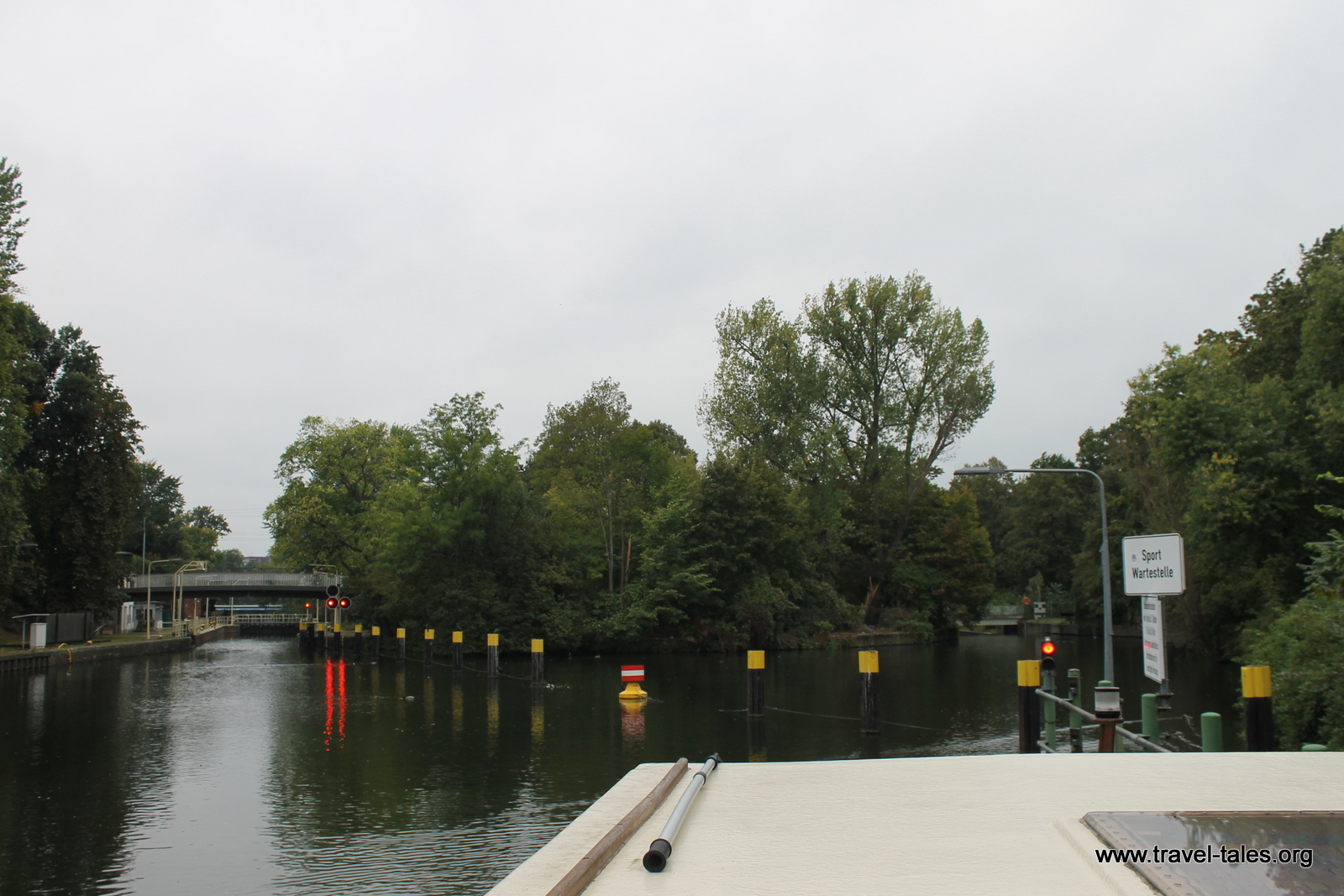
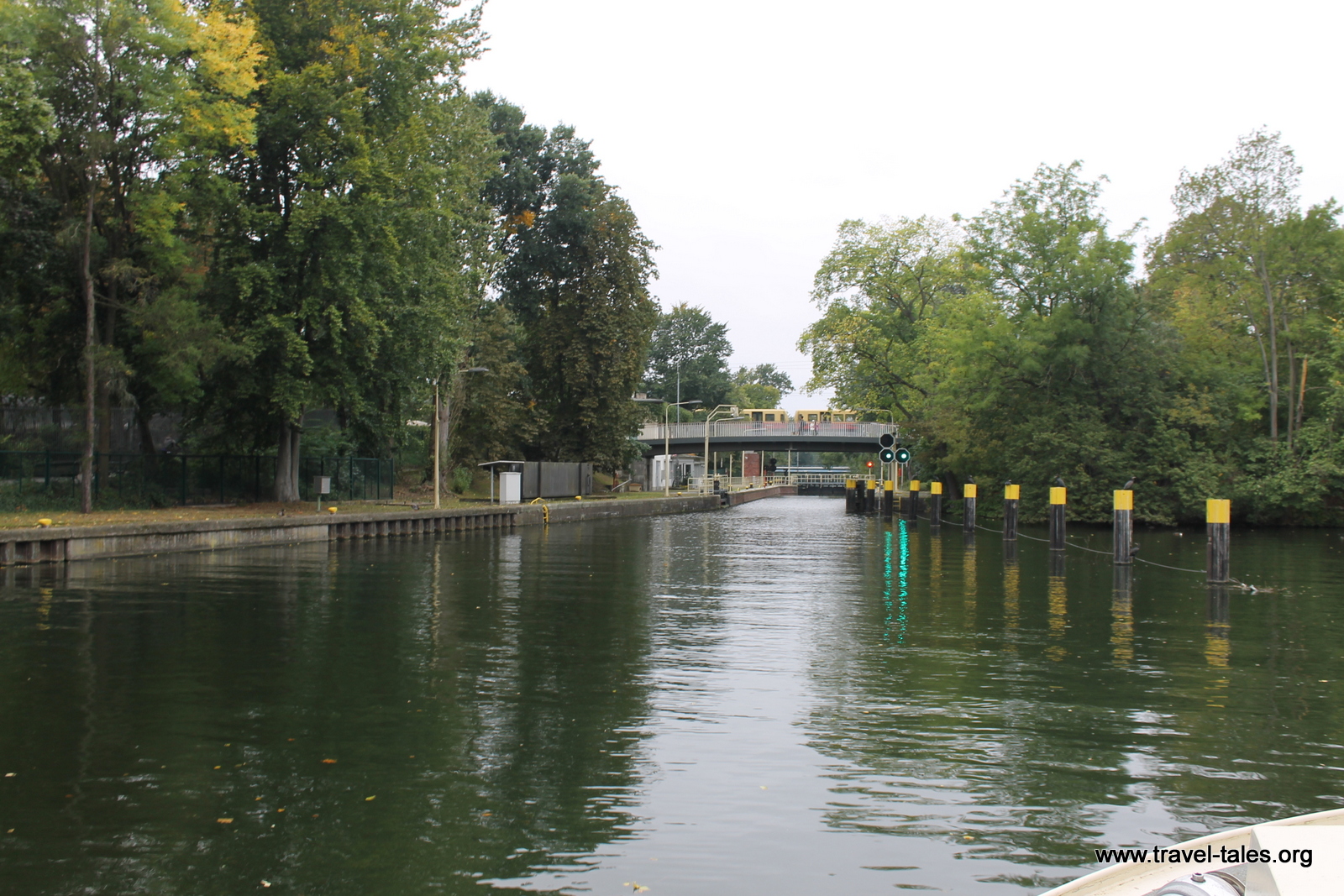
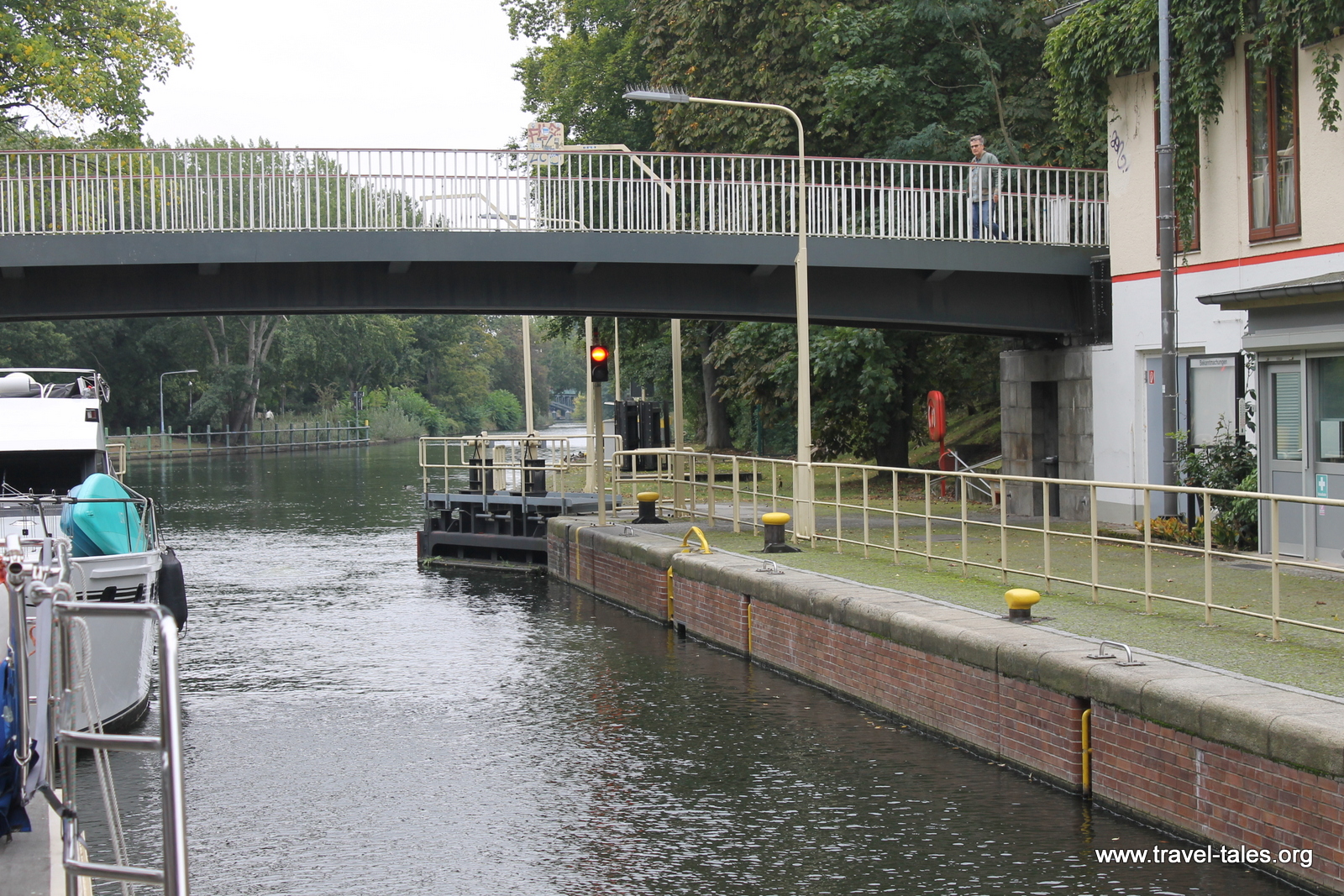
At the end of the canal, there is once again a lock. After waiting at the red light, we proceeded once it turned green. The gates are more like the ones I have seen in other places. The water levels were also more starkly different here.
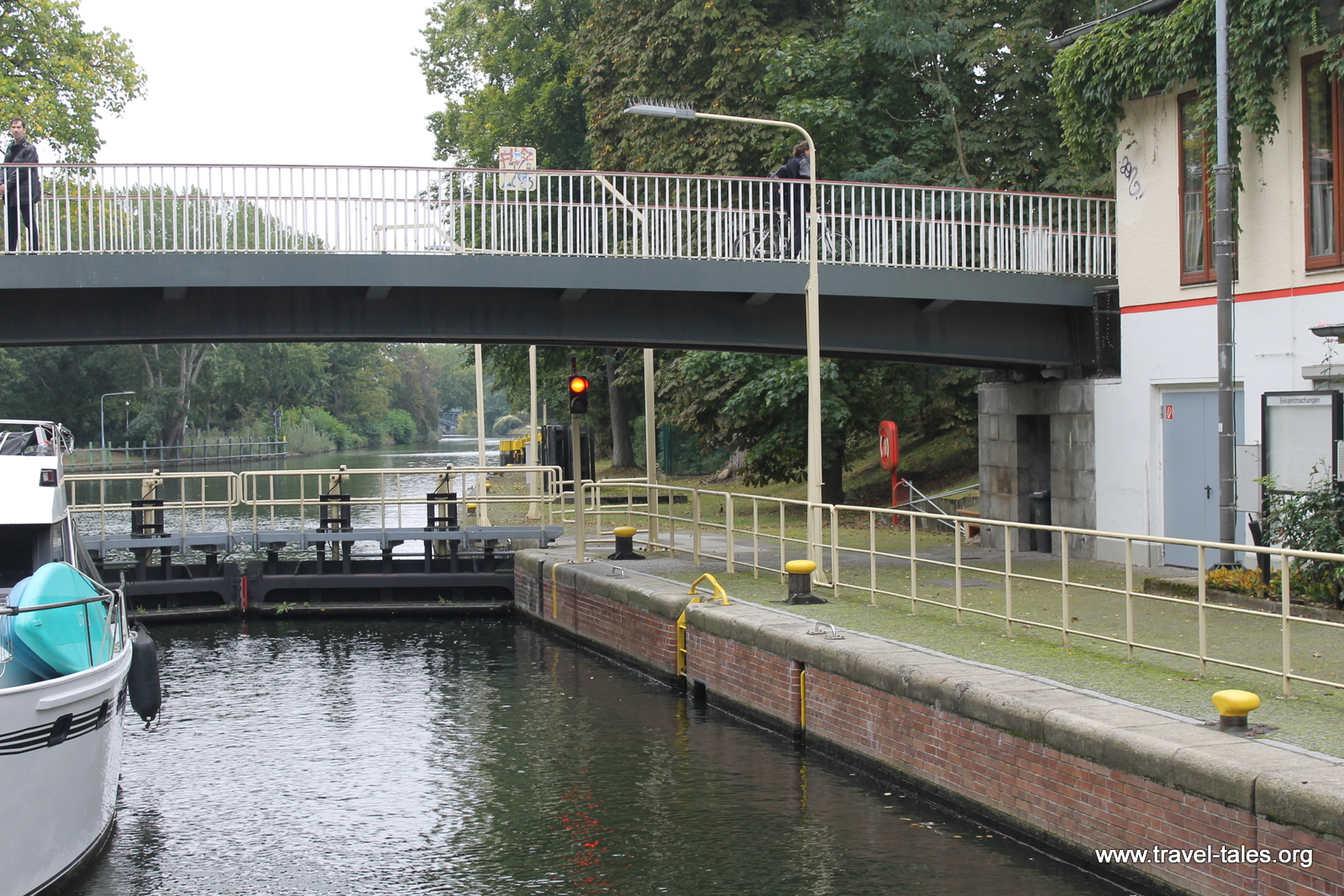


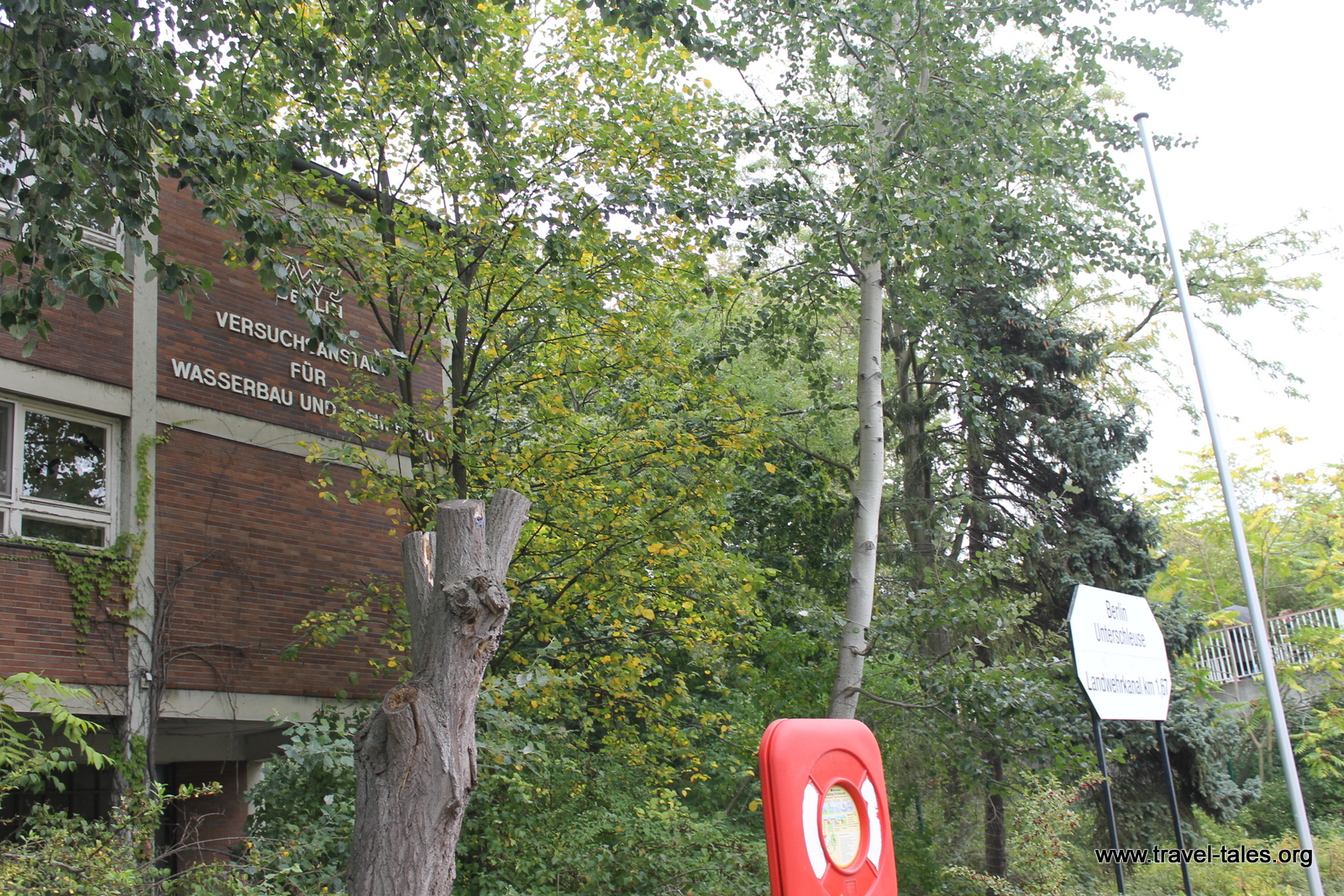
The lock island is also home to the water research institute, Versuchsanstalt für Wasserbau. Since the late 1800’s, ship model basins were being built to test propulsion systems. In 1903 the basin on the lock island in Berlin was opened as the first state-owned ship model basin. It remains part of the Bundesanstalt für Wasserbau, the Federal Waterways Engineering and Research Institute. Its distinctive pink pipes are part of the water re-circulation mechanism in the basin.

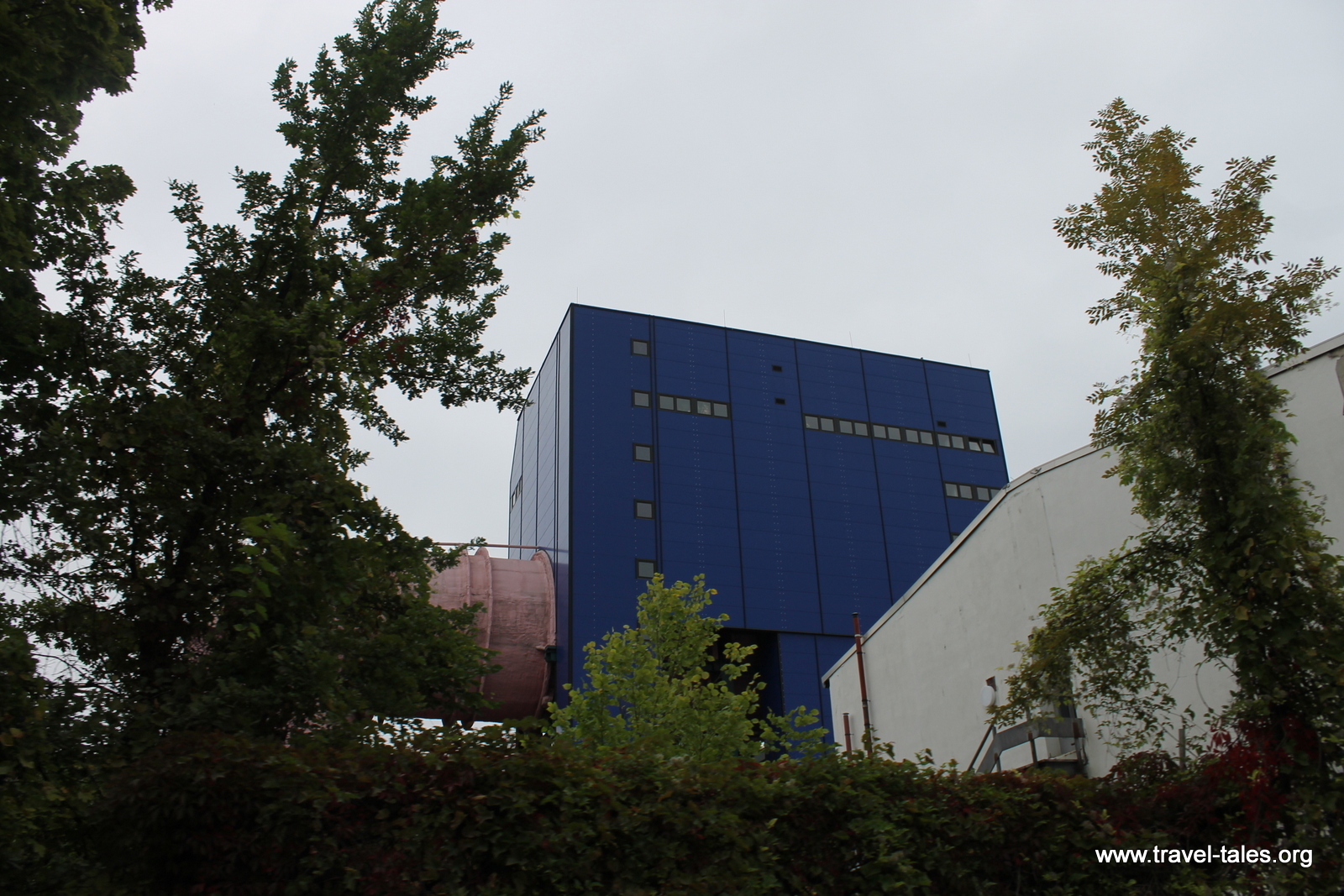

The pink pipes of the research institute are unrelated to the pink pipes that can be seen around the streets of Berlin. Those belong to a building company and drain the groundwater from sites where deep foundations are being built.

 travel tales